Why Are Convenience Stores So Important in K-Dramas?
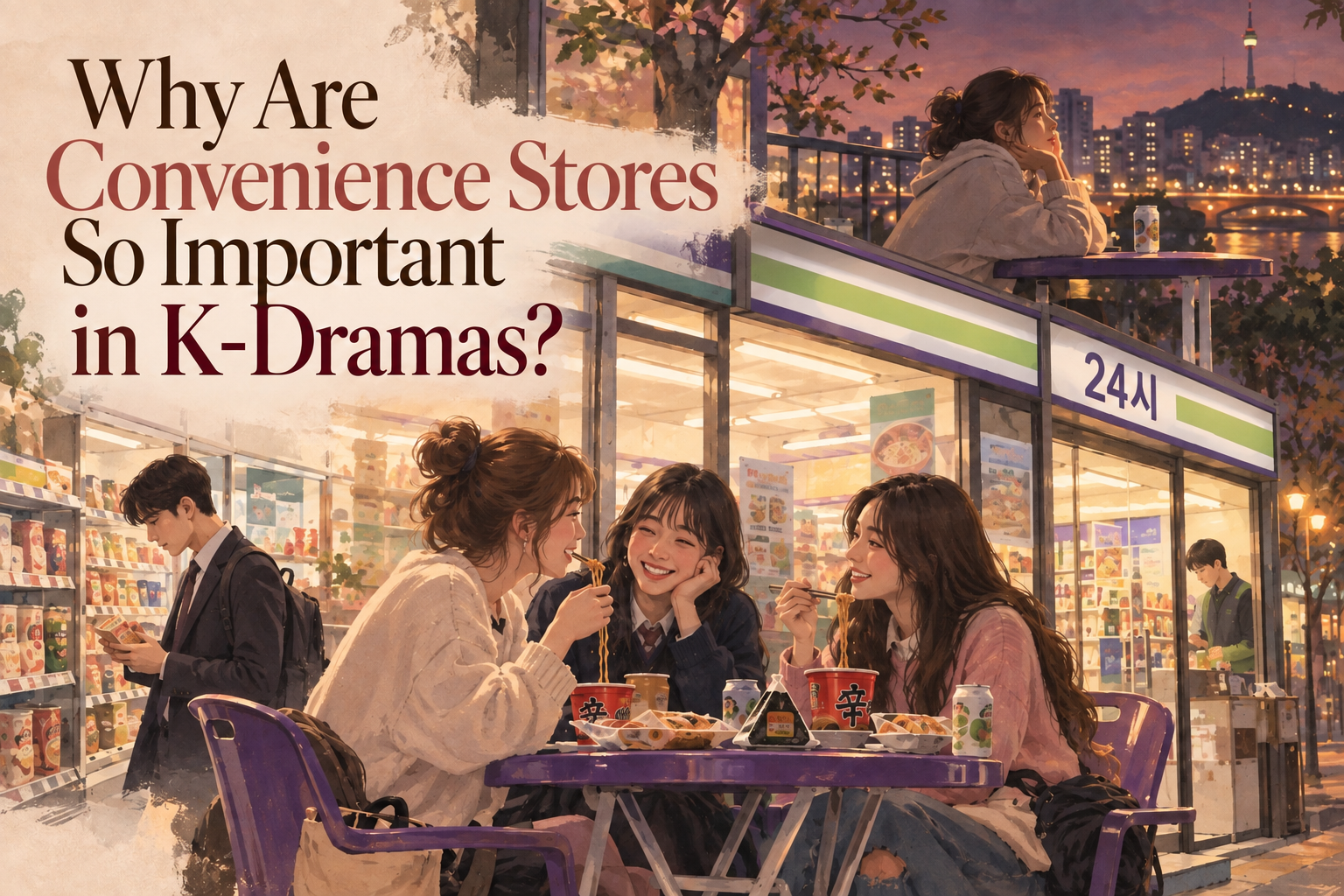
Why do K-Drama characters head to convenience stores late at night? Korean convenience store culture reveals solo meals, friendship, comfort, and the fast-changing rhythm of modern urban life in Korea. Why Are There So Many Convenience Store Scenes in K-Dramas? If you watch enough K-Dramas, you may notice how often convenience stores appear. Students stop by after … Read more
Why Do Koreans Share So Many Side Dishes? Korean Side Dishes in K-Dramas

Why are K-Drama tables filled with tiny dishes? Korean side dishes reflect a food culture built around sharing, hospitality, and caring for others through a meal. Why Are There So Many Korean Side Dishes on the Table? If you are new to K-Dramas, you may have wondered why Korean dining tables are often covered with so many … Read more

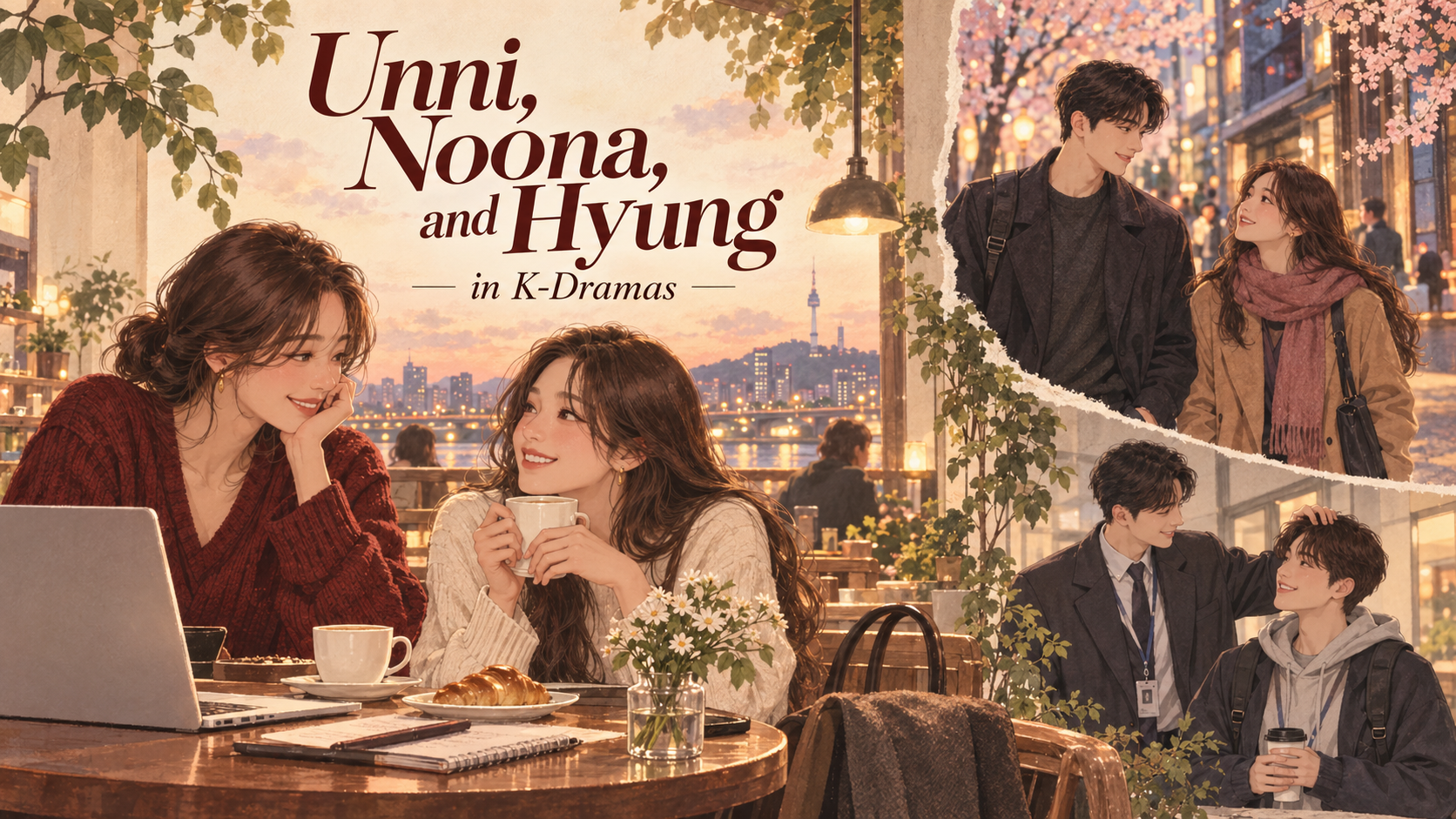
What Do Unni, Noona, and Hyung Mean in K-Dramas?

What do Unni Noona Hyung really mean in K-Dramas? These Korean terms reveal age, gender, closeness, social distance, and even subtle changes in relationships. Why Do Koreans Use Unni, Noona, and Hyung for People Who Are Not Family? If you watch K-Dramas, some of the most confusing words you may hear are unni, noona, and hyung. What surprises many international … Read more

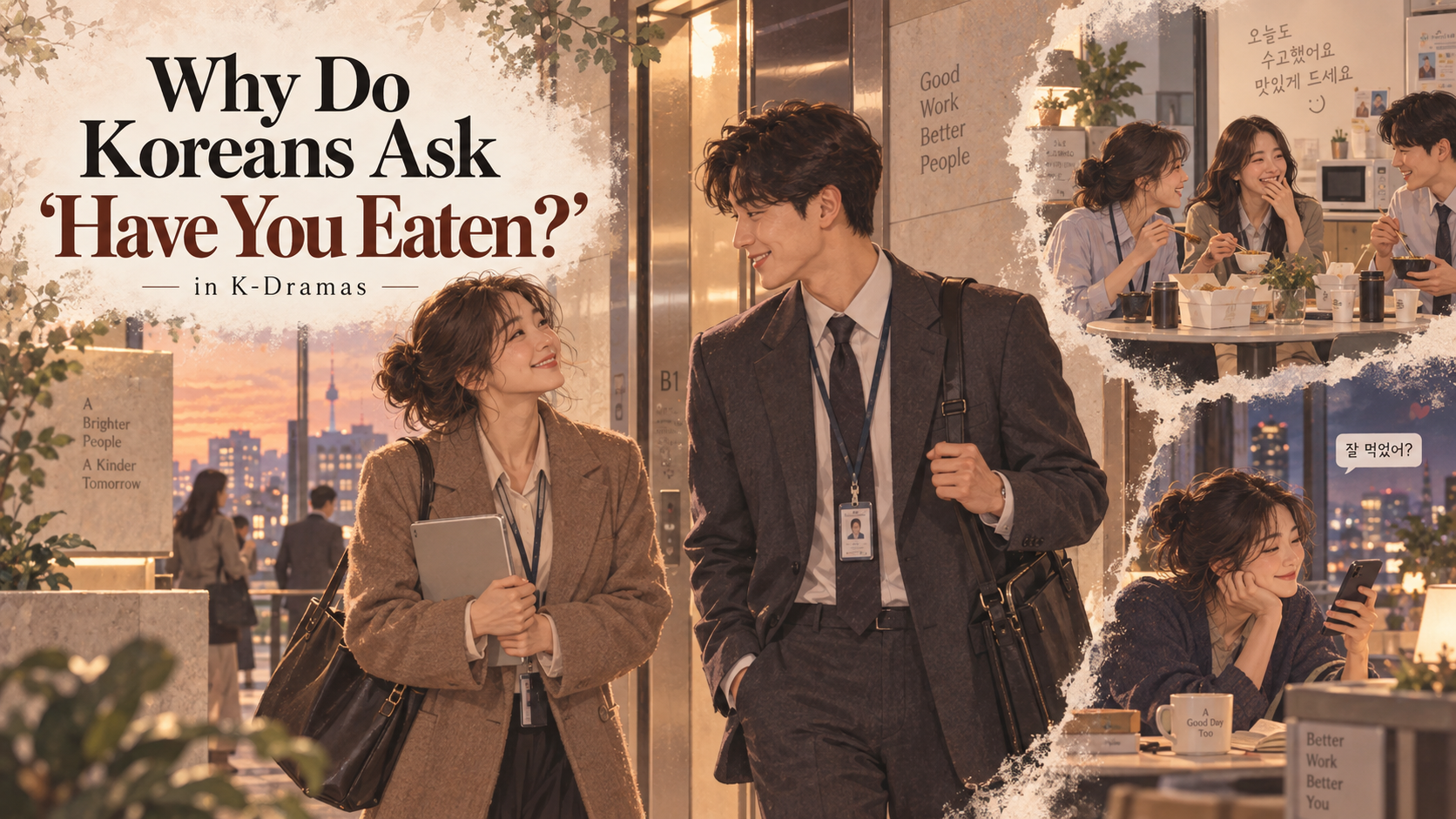
Why Do Koreans Ask “Have You Eaten?” in K-Dramas?

What does “Have you eaten?” really mean in K-Dramas? Discover the history behind the Korean greeting have you eaten, its cultural meaning, and how to respond naturally. If you watch K-Dramas, you’ve probably noticed how often characters ask each other, “Have you eaten?” A parent might ask during a phone call, a friend might say … Read more

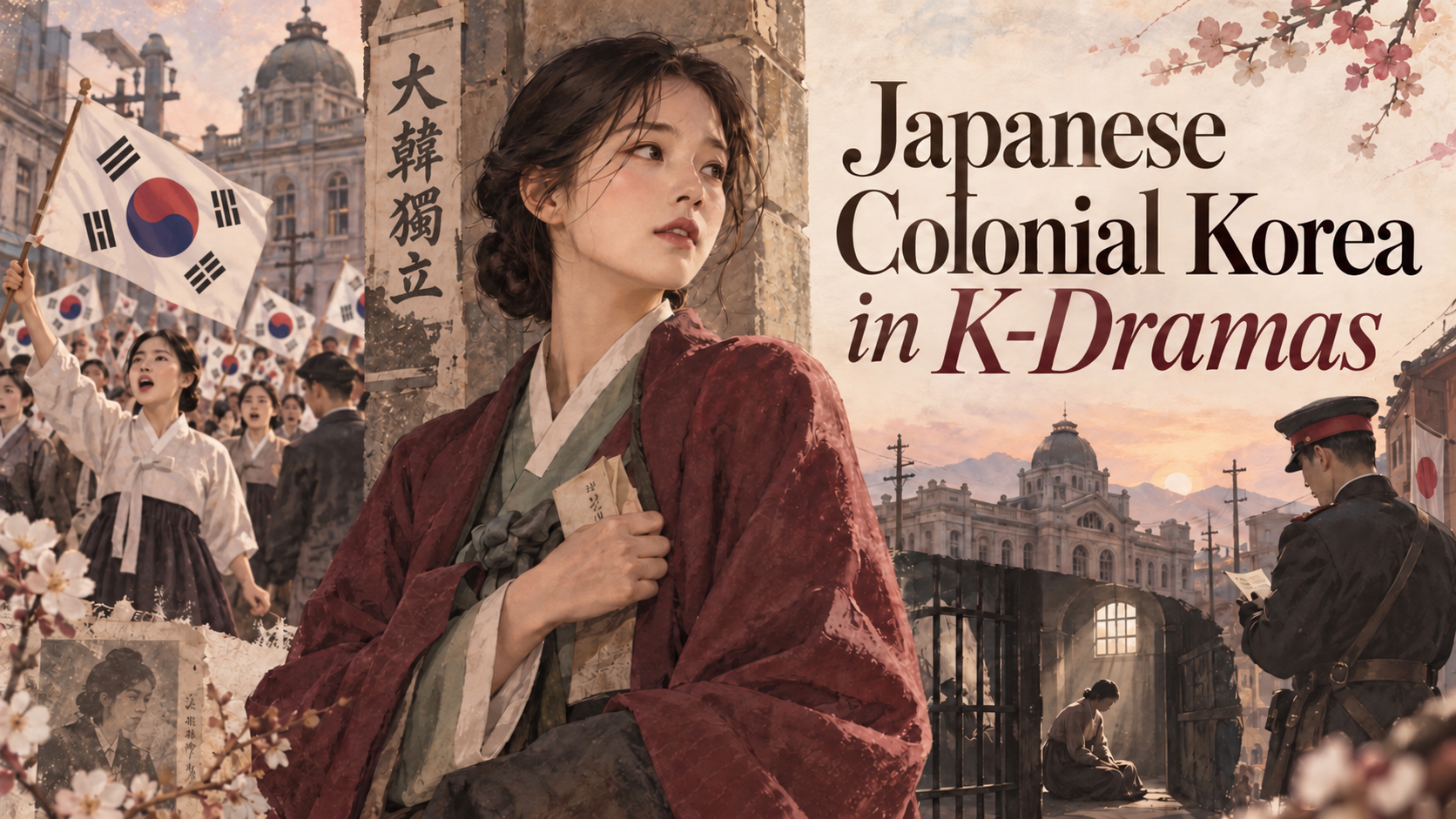
Japanese Colonial Korea: The History Behind K-Dramas

Why does Japanese Colonial Korea appear in K-Dramas through independence fighters, Japanese police, prisons, secret resistance groups, and hidden identities? Explore the real history behind Korea from 1910 to 1945. Japanese Colonial Korea in K-Dramas: Why Does the Era Feel So Dark? International viewers watching a K-Drama set during the Japanese colonial period may wonder, “Why are … Read more

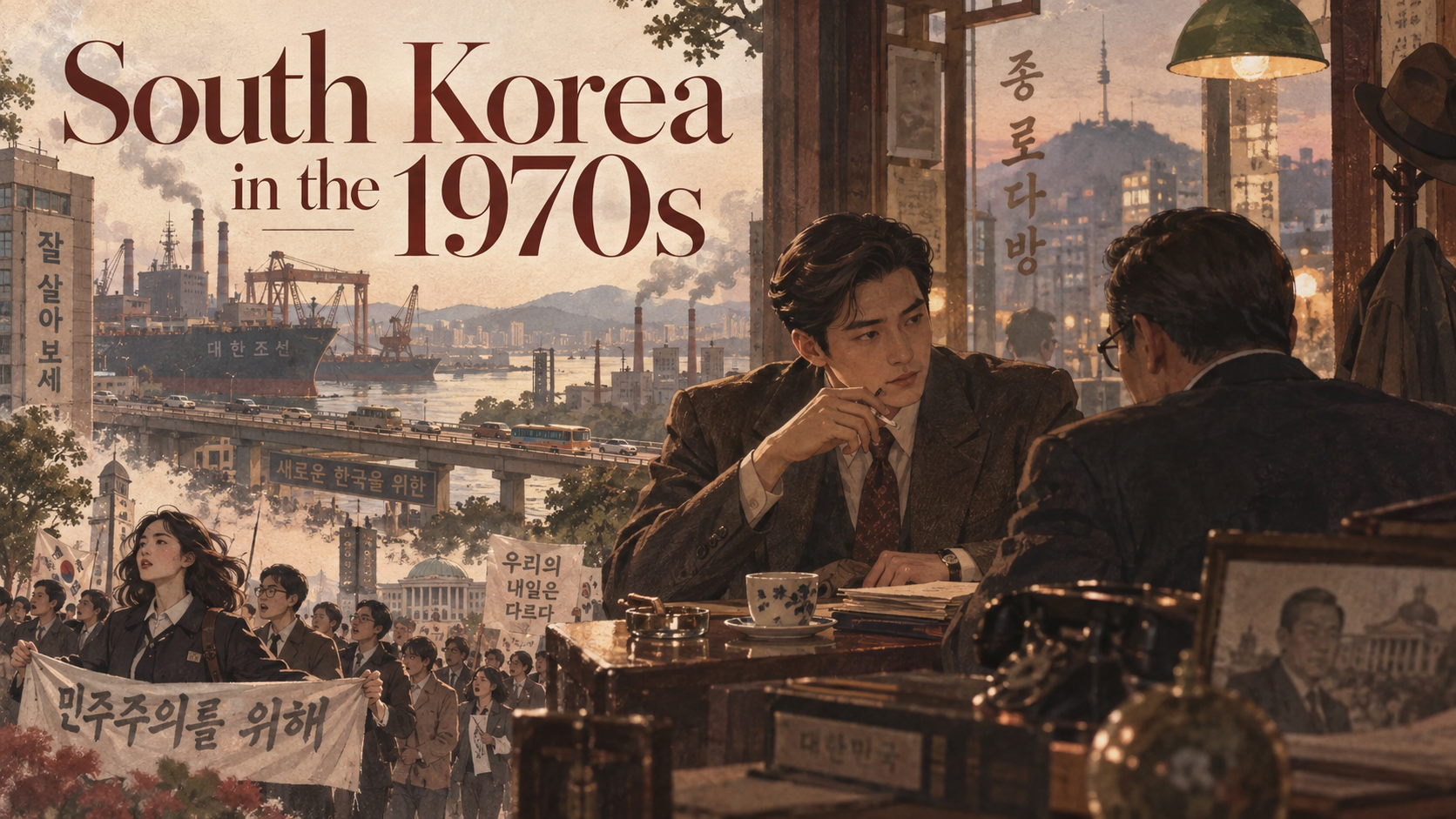
South Korea in the 1970s: The Real History Behind K-Dramas

Why do 1970s K-Dramas feel so tense and politically charged? South Korea in the 1970swas shaped by rapid growth, authoritarian rule, the KCIA, and dramatic social change. South Korea in the 1970s: Why Does It Feel So Different in K-Dramas? Watch a K-Drama set in 1970s Korea and you may quickly notice something unusual. Intelligence agents … Read more

Why Do Joseon Kings Have So Many Names in K-Dramas?

If you watch Korean historical dramas, one king may seem to have several different names. Why do Joseon Kings have personal names and temple names? From Sejong and Yi Do to Taejong and Yi Bang-won, here is how royal names worked in Joseon Korea. Why Are Joseon Kings Called by Different Names in K-Dramas? If you are … Read more

Korean Birthday Seaweed Soup: Why Do Koreans Eat Miyeokguk on Birthdays?

Why do Koreans eat seaweed soup on birthdays? Korean Birthday Seaweed Soup reflects gratitude for mothers, family love, and a meaningful tradition often seen in K-Dramas. Why Do Koreans Eat Seaweed Soup Before Birthday Cake? If you watch K-Dramas, you may notice something unusual whenever a character celebrates a birthday. Before the cake, candles, or … Read more

What Is Sunbae and Hoobae? Korean Hierarchy in K-Dramas

What do Sunbae and Hoobae mean in K-Dramas? Discover how senior-junior relationships work in Korean schools and workplaces, why age is not always the deciding factor, and how these relationships shape everyday Korean culture. Sunbae and Hoobae Are Decided by Who Came First, Not Simply by Age If you watch K-Dramas, you have probably heard … Read more

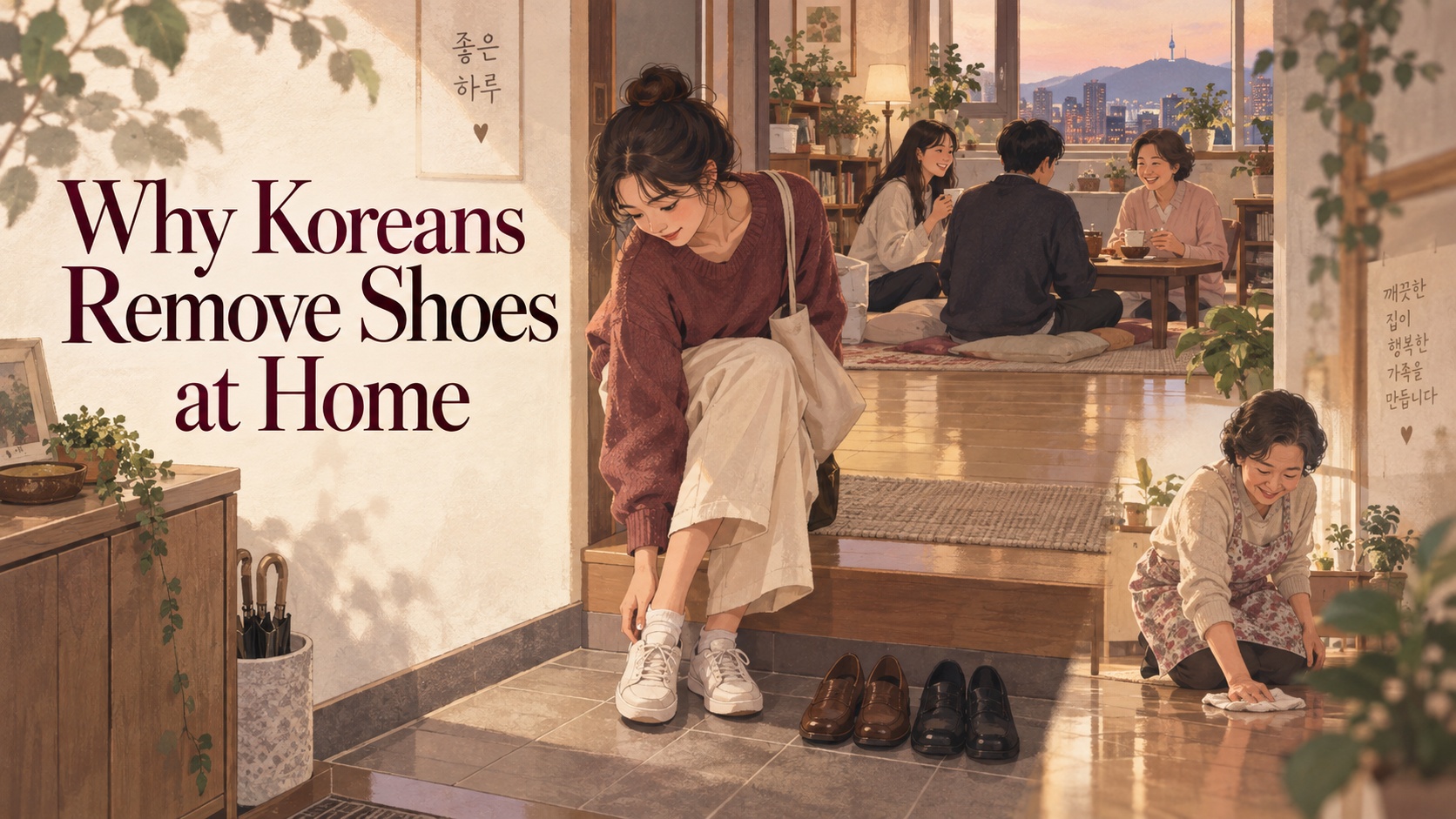
Why Do Koreans Take Off Their Shoes at Home in K-Dramas?

Why do Koreans Take Off Their Shoes at Home? Discover how ondol heating, floor-centered living, cleanliness, and everyday K-Drama scenes reveal this Korean habit. Why Koreans Take Off Their Shoes at Home: The Floor Is More Than Just a Floor If you watch K-Dramas, you may notice that characters almost always take off their shoes … Read more