Why Did Joseon Men Take Concubines to Secure an Heir?

Why were Joseon concubines accepted even though men already had legal wives? Learn how heirs, Confucian family succession, legitimate and illegitimate sons, and social status shaped this system often seen in historical K-Dramas. Why Were Joseon Concubines Connected to Producing an Heir? If you watch historical K-Dramas, you may come across scenes where family elders pressure a … Read more
Why Did Joseon Women Live in Separate Quarters? Hanok in the Joseon Dynasty

Why did women live in the inner quarters of a traditional Korean house during the Joseon Dynasty? Discover anchae, sarangchae, Confucian family life, ondol heating, and the hanok spaces often seen in historical K-Dramas. Why Did Joseon Women Live in the Inner Quarters? If you watch historical K-Dramas, you may notice a recurring pattern: male characters welcome … Read more

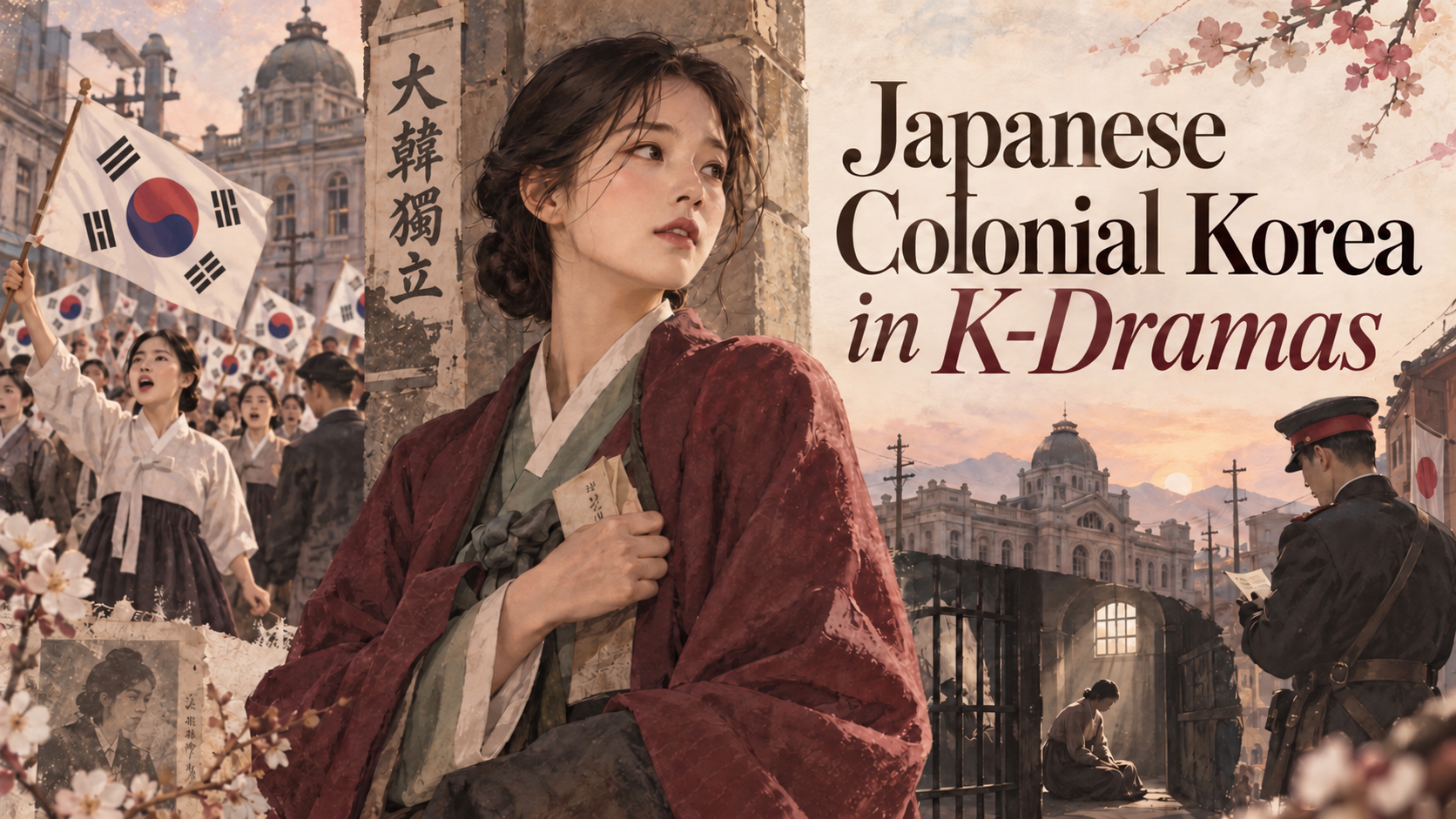
Japanese Colonial Korea: The History Behind K-Dramas

Why does Japanese Colonial Korea appear in K-Dramas through independence fighters, Japanese police, prisons, secret resistance groups, and hidden identities? Explore the real history behind Korea from 1910 to 1945. Japanese Colonial Korea in K-Dramas: Why Does the Era Feel So Dark? International viewers watching a K-Drama set during the Japanese colonial period may wonder, “Why are … Read more

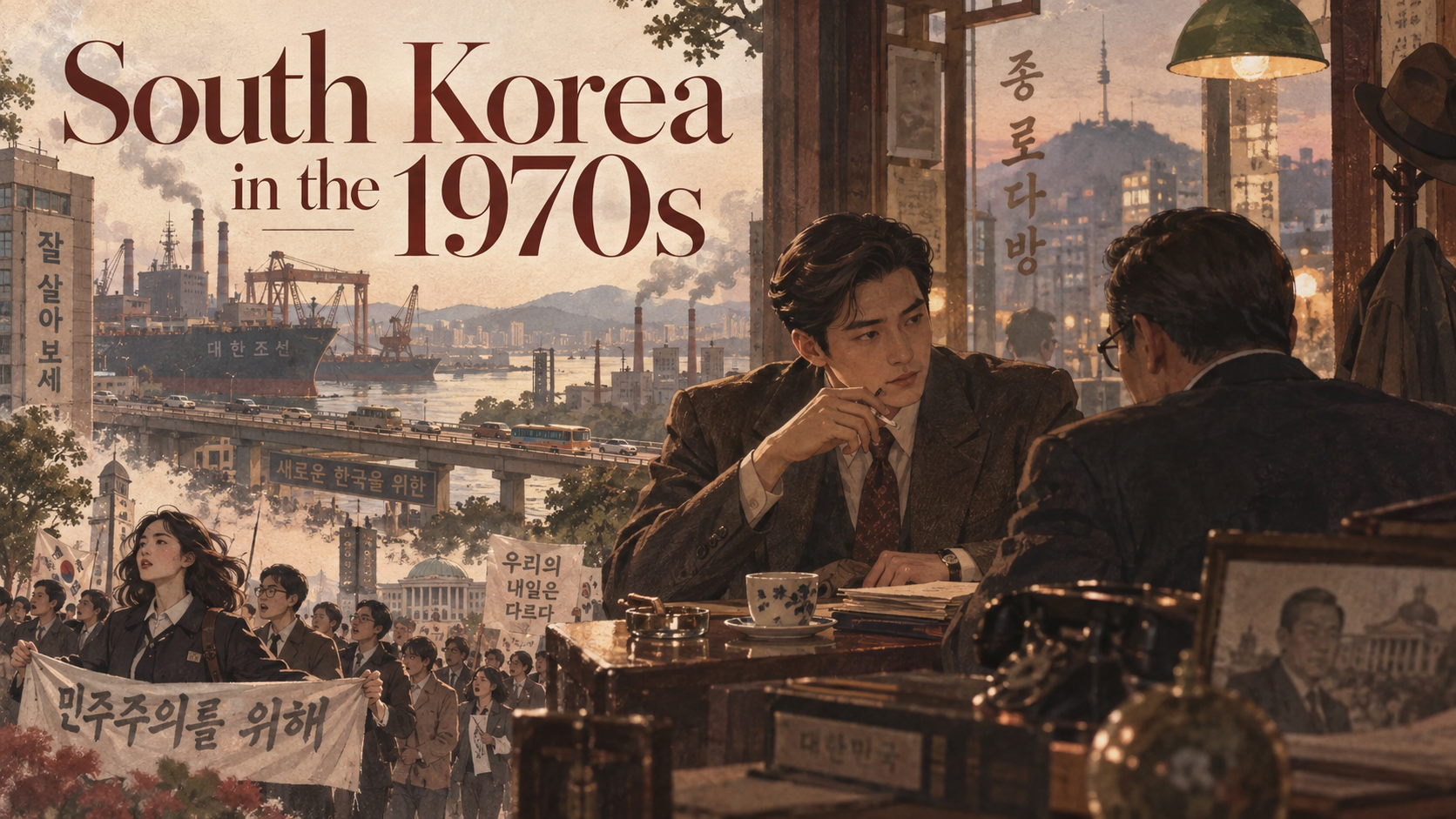
South Korea in the 1970s: The Real History Behind K-Dramas

Why do 1970s K-Dramas feel so tense and politically charged? South Korea in the 1970swas shaped by rapid growth, authoritarian rule, the KCIA, and dramatic social change. South Korea in the 1970s: Why Does It Feel So Different in K-Dramas? Watch a K-Drama set in 1970s Korea and you may quickly notice something unusual. Intelligence agents … Read more

Why Do Joseon Kings Have So Many Names in K-Dramas?

If you watch Korean historical dramas, one king may seem to have several different names. Why do Joseon Kings have personal names and temple names? From Sejong and Yi Do to Taejong and Yi Bang-won, here is how royal names worked in Joseon Korea. Why Are Joseon Kings Called by Different Names in K-Dramas? If you are … Read more

What Is a Yangban? The Social Class You See in Historical K-Dramas

Why do some people in historical K-Dramas wear elegant hanbok, command servants, and seem so powerful? Yangban were part of Joseon’s elite, shaped by Confucian education, government service, family status, and the civil service examinations. Here is what the term really meant—and why Koreans still use it today. Was Yangban the Korean Version of European … Read more

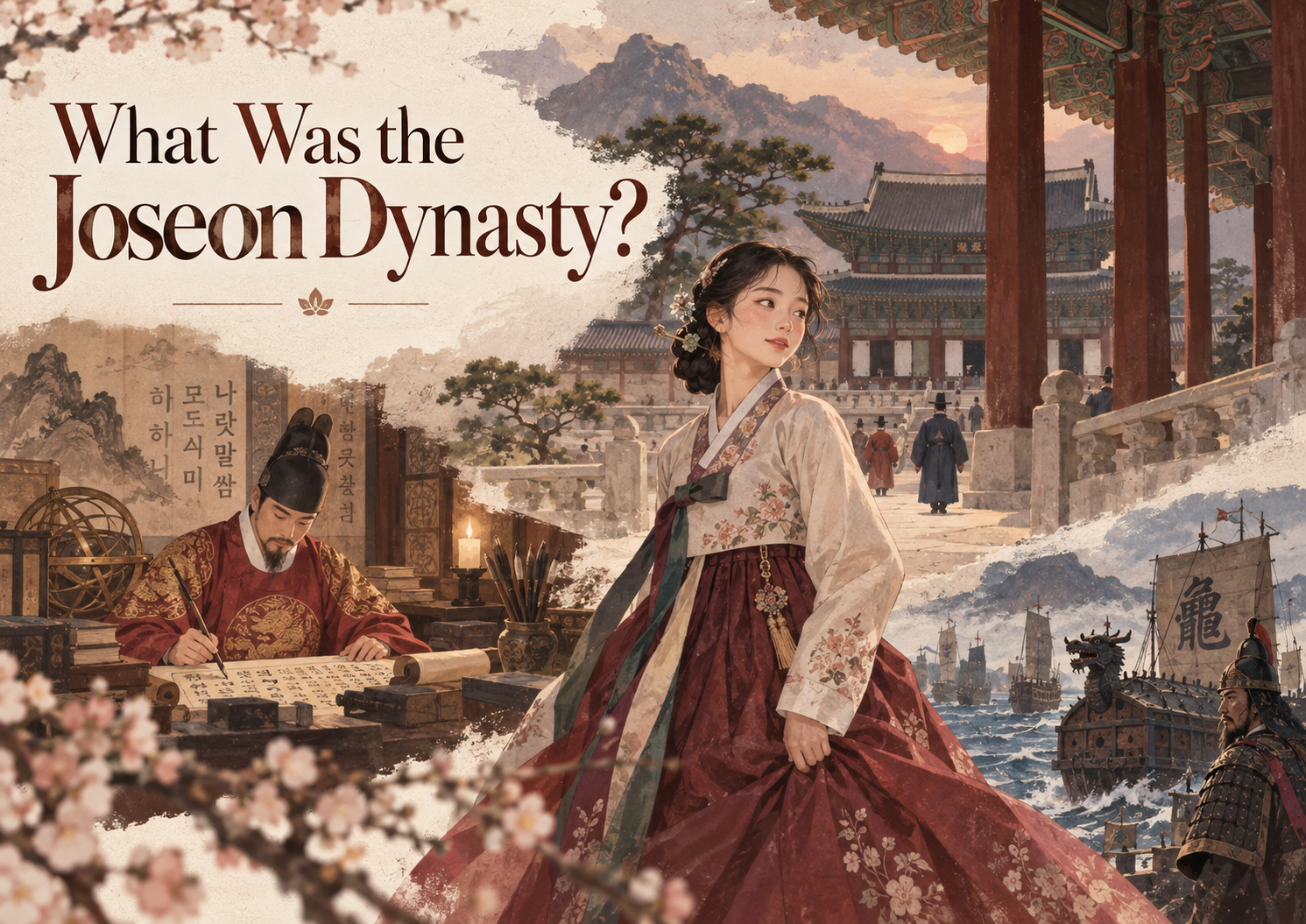
What Was the Joseon Dynasty in K-Dramas?

Why does the Joseon Dynasty in K-Dramas appear so often? Discover 500 years of Joseon history, from Ming and Qing China to Japan, King Sejong, the Imjin War, and Kings Yeongjo and Jeongjo. What Was the Joseon Dynasty in K-Dramas? International viewers watching Korean historical dramas may wonder, “Why do so many K-Dramas take place … Read more

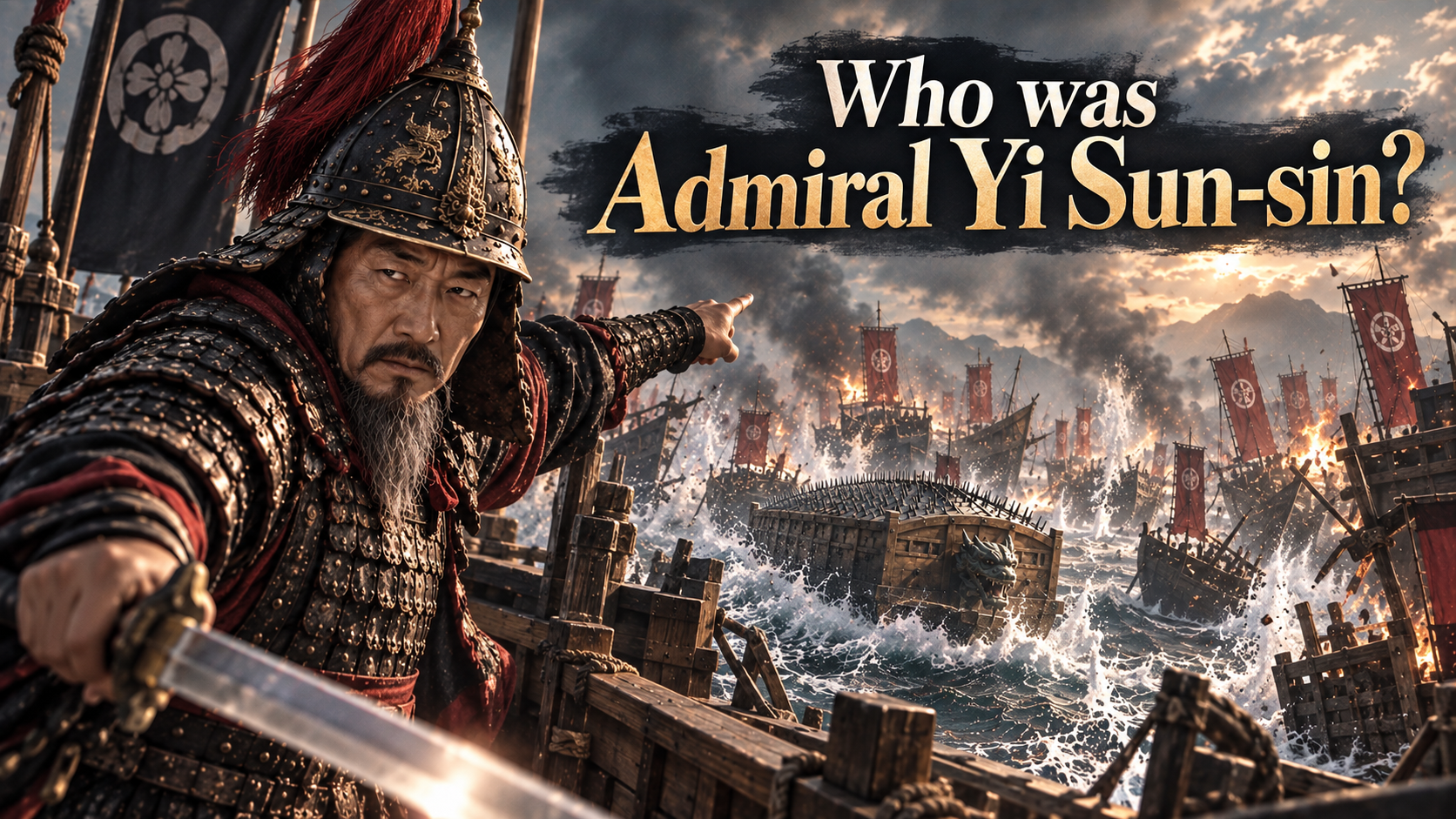
Who Was Admiral Yi Sun-sin? The True Story Behind The Admiral: Roaring Currents

Admiral Yi Sun-sin, the real hero behind The Admiral: Roaring Currents, is one of Korea’s greatest historical figures. Discover his battles, turtle ships, and lasting legacy. Who Was Admiral Yi Sun-sin? Admiral Yi Sun-sin (1545–1598) was a military commander of Korea’s Joseon Dynasty who led the Korean navy during the Imjin War, which began with … Read more

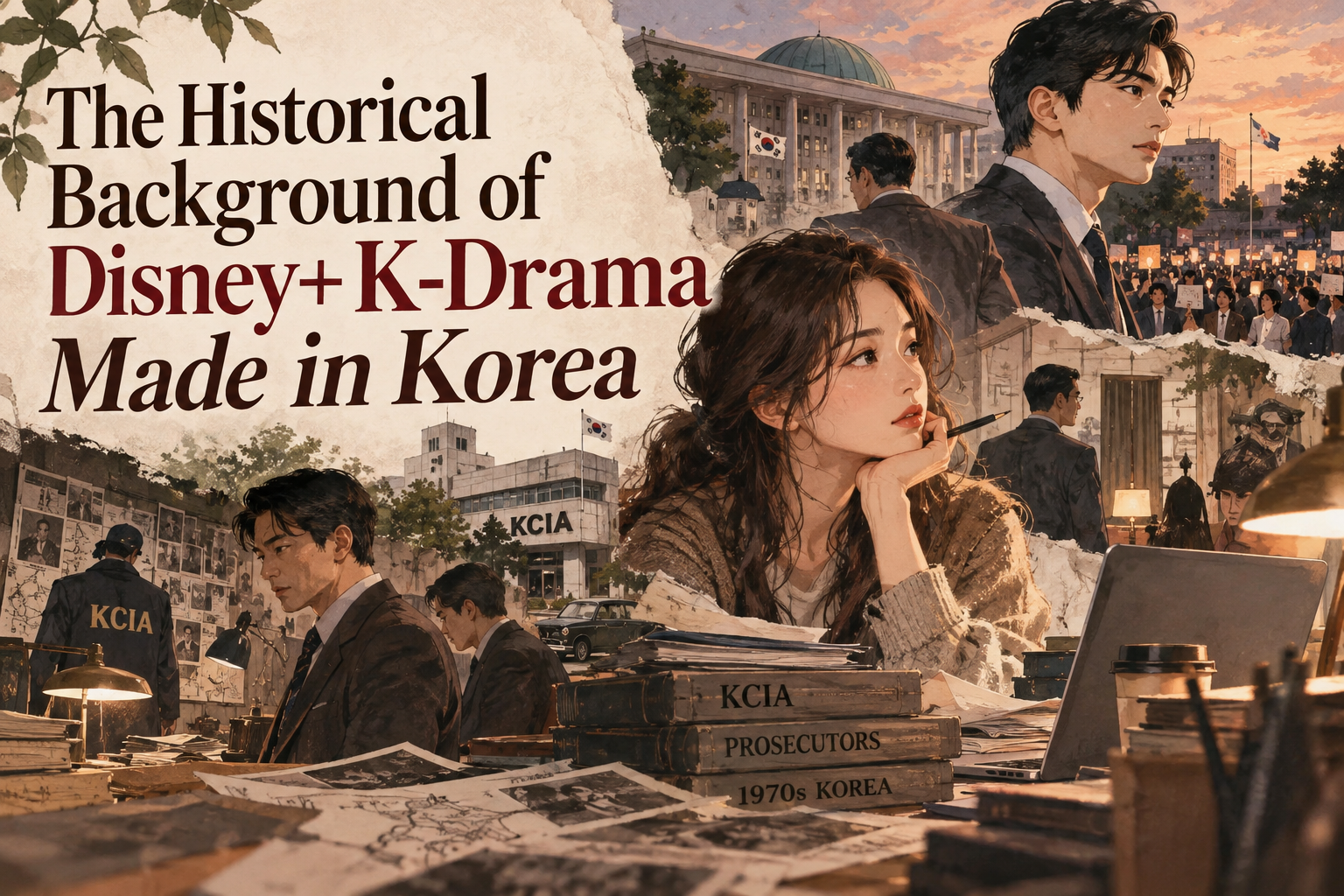
The Historical Background of Disney+ K-Drama Made in Korea: The KCIA and Prosecutors

Explore the historical background of Disney+ K-drama Made in Korea, comparing the power of the 1970s KCIA and Korean prosecutors with the CIA, FBI, and European agencies. How Was the KCIA Different from the CIA? International viewers watching Made in Korea may initially think of the Korean Central Intelligence Agency (KCIA) as South Korea’s version of the CIA. … Read more